



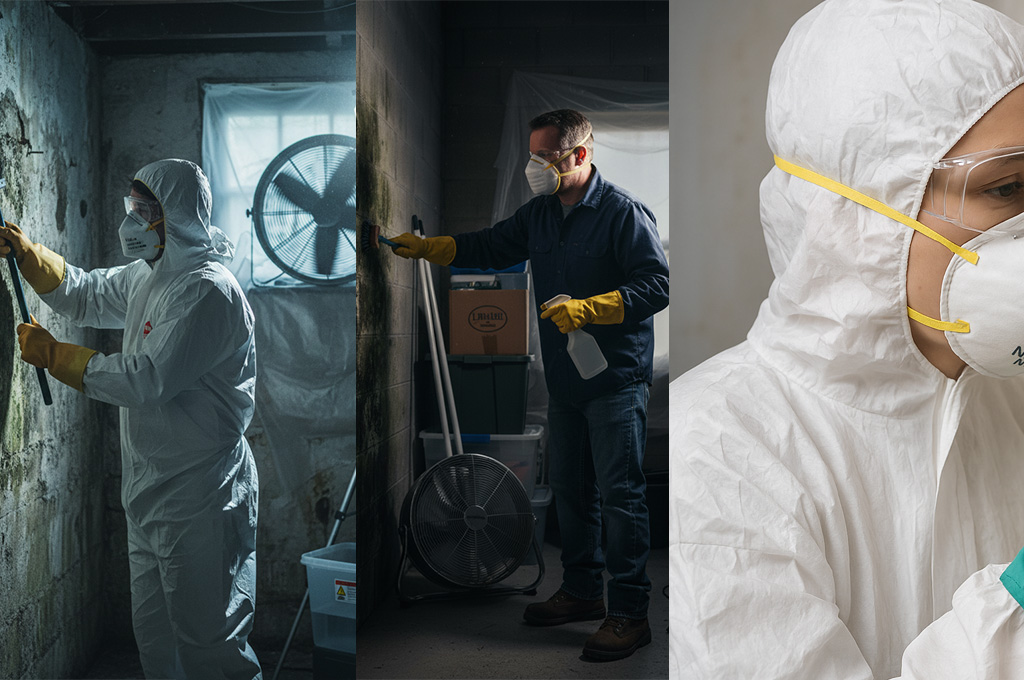
As the weather turns cold and damp, we seal up our homes to stay warm. But this cozy environment, combined with holiday spills or a leaky pipe, can create the perfect breeding ground for a silent, unwelcome guest: mold.
Discovering mold in your basement, bathroom, or attic can be alarming. Your first instinct is to scrub it away, but tackling mold without the right protection can be a serious mistake for your health. Today, we’re breaking down the risks and the right way to protect yourself.
Key Protective Takeaways
- Mold spores are microscopic allergens and irritants that can cause significant health issues.
- Cloth and surgical masks do not filter fine mold spores.
- Only a NIOSH-approved N95 respirator is designed to filter particles as small as mold spores.
- A proper seal (fit) is critical. A leaky mask is an ineffective mask.
The Hidden Dangers of Mold Exposure
Why is mold so bad? When you scrub or disturb mold, it releases thousands of microscopic spores into the air. When inhaled, these spores can wreak havoc on your respiratory system.
Specific Health Risks Include:
- Allergy & Hay Fever Symptoms: Sneezing, runny nose, itchy/watery eyes, and skin rashes.
- Asthma Attacks: For those with asthma, mold exposure can trigger severe attacks and breathing difficulties.
- Respiratory Irritation: Coughing, wheezing, and a feeling of tightness in the chest, even in non-asthmatic individuals.
- Hypersensitivity Pneumonitis: A rare but serious immune system response to airborne particles, leading to lung inflammation.
Know Your Enemy: Common Household Molds
While you don’t need to be a mycologist, it helps to know what you’re up against. You’ll often hear about:
- Aspergillus: Very common, found on food and in A/C systems. It’s a major source of allergic reactions.
- Cladosporium: Often found on fabrics, wood, and in damp window sills. Can be black or olive-green.
- Stachybotrys chartarum (Toxic Black Mold): The most infamous. It thrives on very wet cellulose materials (like drywall or wood) and can produce mycotoxins, which are particularly hazardous.
Important: Regardless of the color or type, all visible mold should be treated as a potential health hazard and removed safely.
Your Essential Armor: Why an N95 is Non-Negotiable
This is where your choice of mask becomes critical. Mold spores are tiny, ranging from 3 to 40 microns. Your cloth mask or a standard surgical mask is designed to stop large droplets, not to filter fine airborne particles. They offer almost zero protection against mold spores.
You need a respirator. Specifically, a NIOSH-approved N95 respirator. The “N95” rating means it has been tested and certified by the National Institute for Occupational Safety and Health to filter at least 95% of airborne particles down to 0.3 microns.
But What About the Fit?
A high-quality N95 mask is useless if it doesn’t seal to your face. Gaps around the nose or chin will pull in contaminated air—and spores—with every breath.
This is why a Fit Test is the gold standard. A fit test ensures your specific mask model forms a perfect, gap-free seal on your unique face shape.
Get a Fit Test Kit
Be 100% sure of your seal.
How to Clean Small Mold Areas Safely
Disclaimer: If the moldy area is larger than 10 square feet, or if it’s inside your HVAC system, call a professional. For small, surface-level jobs, follow these steps:
- GEAR UP (The Most Important Step):
- N95 Respirator: Put it on before entering the area. Ensure a tight seal.
- Goggles: Full-seal, non-vented goggles to protect your eyes.
- Gloves: Long, non-porous rubber gloves.
- Contain & Ventilate: Seal off the room from the rest of the house. Use an exhaust fan to blow air out of a window.
- Clean the Surface: Use a solution of water and detergent. Scrub the mold off hard surfaces and dry completely. Porous materials (like drywall or carpet) that are moldy often must be discarded.
- Dry Thoroughly: The area must be completely dry. Use fans and a dehumidifier for 24-48 hours after cleaning. Mold cannot grow without moisture.
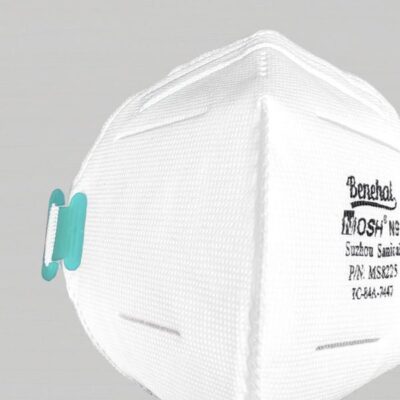
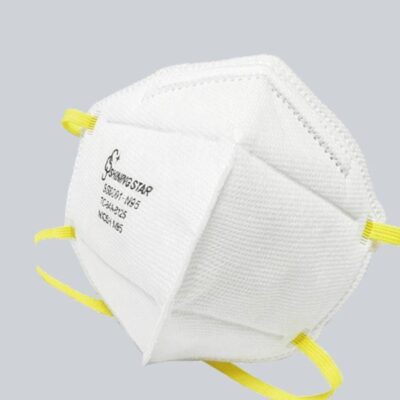
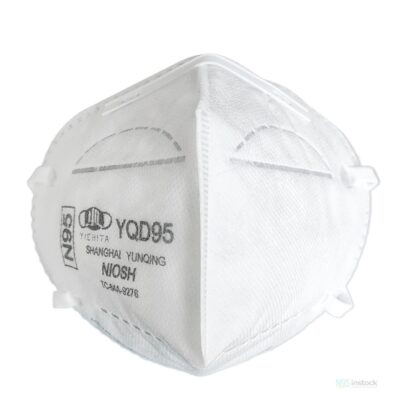
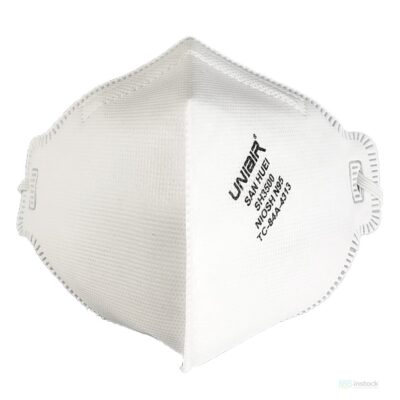
Choose Your N95 Defender: N95 Mask for Mold
A good fit is personal. We stock only NIOSH-approved respirators. Here are some of the most trusted models for home projects:
Don’t Risk Your Lungs This Winter.
That damp, musty smell is a warning sign. Before you start your winter cleaning or tackle that moldy corner, make sure you have the right protection. Your health is worth it.